Broken key or home lockout: which problem do you have?
Understanding the difference between a lockout and a broken key
Being locked out of your own home is a frustrating experience that can happen to anyone. But not every situation where you cannot open your door is the same. Sometimes the problem is that you have lost your keys or left them inside. Other times the key itself has snapped off in the lock, leaving you with a broken piece of metal and a door that will not budge. Knowing which problem you are dealing with matters because the solution is different for each one. A simple lockout might be resolved with a spare key or a bit of patience, while a broken key often requires more careful handling to avoid damaging the lock mechanism itself.
When you find yourself standing outside a locked door, the first step is to figure out exactly what has gone wrong. If you have your keys with you but they do not work, or if the key is stuck halfway in the cylinder, you are likely facing a broken key issue. If you have no keys at all because they are sitting on the kitchen table, then you are in a straight lockout situation. Getting this identification right saves time and helps you decide what to do next. For many people, calling a professional is the safest option, especially late at night or in bad weather. A reliable 24 hour locksmith can handle both problems, but the approach each takes is quite different.
What a home lockout looks like
A home lockout happens when you are unable to get inside because you do not have a working key. The lock itself is usually fine. The door handle turns, the deadbolt moves freely, and there is no visible damage. The only obstacle is that the key is not available. This could be because you left it inside, lost it, or simply forgot it at work. The lock mechanism is intact and the door will open as soon as you have the right key.
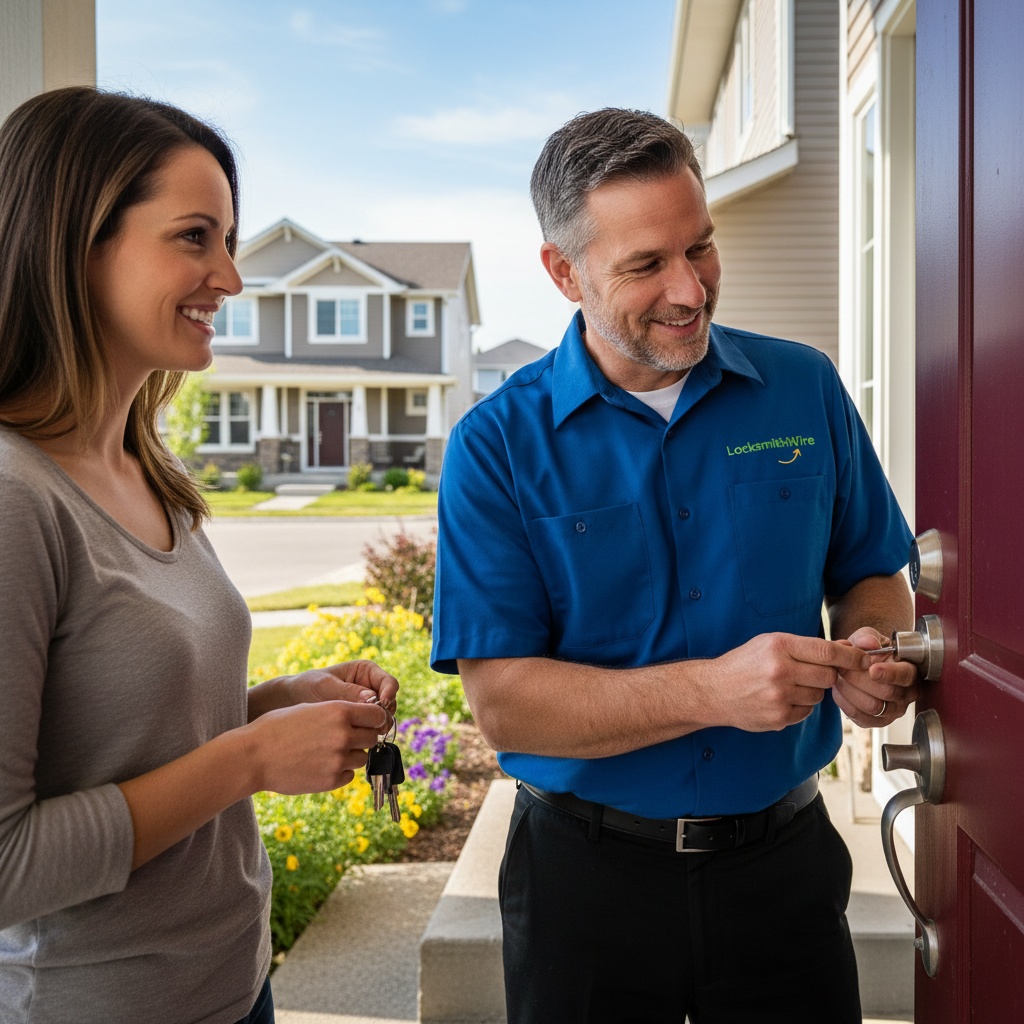
In this situation, the fastest solution is often a spare key. If you have given a copy to a neighbour, a family member, or a friend, a quick phone call might solve the problem in minutes. Many people also keep a spare key in a secure location outside the home, such as a lockbox or with a trusted person. If none of those options are available, you will need help from a locksmith. A mobile locksmith can reach your location and unlock the door without damaging the lock. The job is straightforward because the lock itself is working. The locksmith simply uses tools to manipulate the mechanism and release the latch. This kind of service is quick, often taking just a few minutes once the technician arrives.
What a broken key looks like
A broken key is a different kind of problem. Here, the key has snapped off inside the lock cylinder, leaving part of it stuck. You might have been turning the key and felt it give way suddenly. Or you might have tried to force a slightly bent key into the lock and it broke under pressure. In either case, the result is that the lock will not turn because a piece of metal is blocking the mechanism. You cannot insert another key fully, and the broken piece may be visible sticking out of the keyway or hidden deep inside.
This situation is more delicate than a simple lockout. Trying to remove the broken piece with pliers or tweezers can push it deeper or damage the lock cylinder. Some people try to use glue or a magnet, but these methods rarely work and often make the problem worse. The best approach is to call a professional locksmith who has the right tools to extract the broken key safely. They use special extractors that grip the broken piece and pull it out without harming the lock. Once the fragment is removed, the lock can be tested. If it still works properly, you may only need a new key cut. If the lock was damaged during the break, it might need repair or replacement. A qualified locksmith can assess the condition and advise on the next steps.
How to tell which one you have
Sometimes it is not obvious whether you are dealing with a lockout or a broken key. Here are a few signs that can help you identify the problem:
- If you have no key at all, and the lock appears normal, it is a lockout.
- If your key is stuck in the lock and will not turn or come out, it may be broken or damaged.
- If you can see a piece of metal sticking out of the keyway, the key has snapped.
- If the key turns but the door does not open, the lock mechanism might be jammed, which is a different issue.
When you are unsure, it is safer to treat the situation as a broken key until proven otherwise. Forcing a lock that has a broken piece inside can cause more damage and increase the cost of repair. A quick visual check can often tell you what you need to know. Look at the keyway. If there is a fragment of metal, do not insert anything else. If the keyway is empty, try to find your keys. If they are nowhere to be found, a lockout is the likely culprit.
When to call a professional
For both scenarios, there comes a point when DIY attempts stop being useful and start being risky. With a lockout, the main risk is damaging the door or frame if you try to force it open. Kicking a door down or using a screwdriver to pry the latch can leave you with a broken door and a lock that no longer works. That turns a simple problem into an expensive one. With a broken key, the risk is damaging the lock cylinder. Trying to remove the fragment with the wrong tool can scratch the inside of the cylinder, making it impossible for any key to turn. The lock would then need to be replaced entirely.
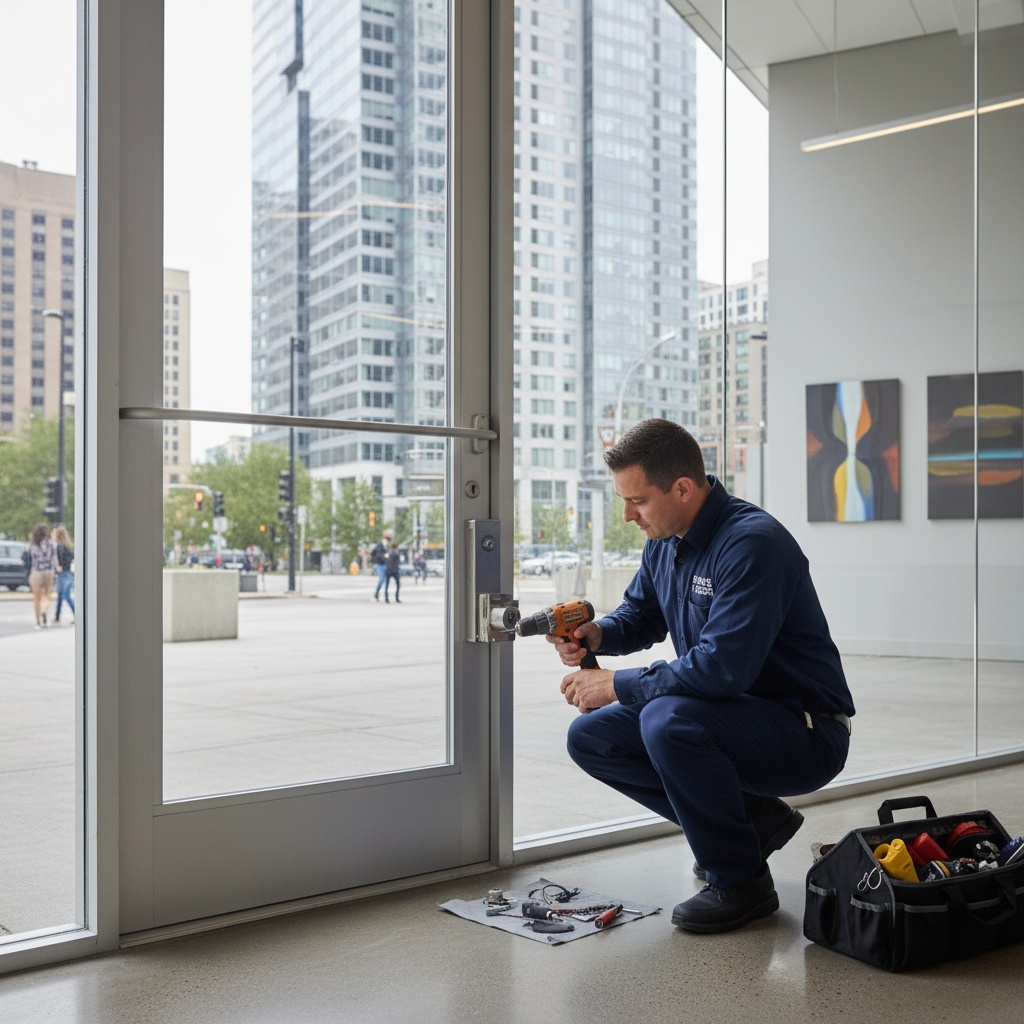
A professional locksmith has the training and equipment to handle both situations without causing additional damage. For a lockout, they use non-destructive techniques such as lock picking or bypass tools. For a broken key, they use extractors that are designed to grip the fragment without scratching the cylinder. Calling a 24 hour locksmith means you can get help at any time, day or night. This is especially valuable if you are locked out late at night, in cold weather, or in an unsafe area. The peace of mind that comes with knowing a trained technician is on the way is worth the cost.
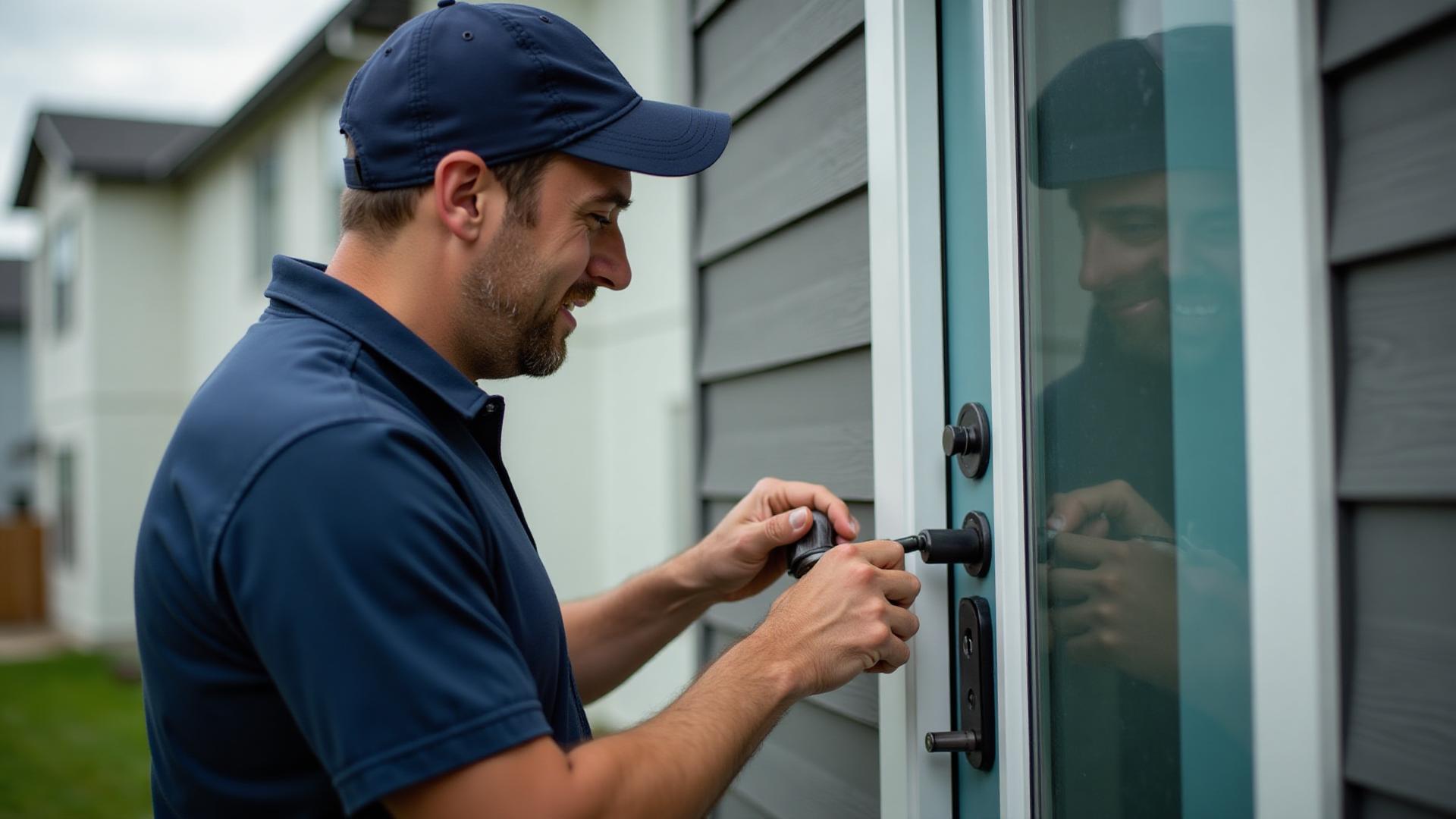
LocksmithWire offers licensed and insured 24/7 emergency services throughout Edmonton, covering both home lockouts and broken key situations. Their mobile locksmiths can reach your location and assess the problem on the spot, providing the right solution without unnecessary damage to your door or lock.
Preventing future problems
Once you have dealt with the immediate issue, it is worth thinking about how to avoid a repeat. For lockouts, the simplest prevention is to have a spare key available. Give a copy to someone you trust who lives nearby. Or invest in a lockbox that you can attach to a secure spot outside your home. Some people also use smart locks that can be opened with a code or a smartphone app, eliminating the need for a physical key altogether.
For broken keys, the key itself is often the weak point. Keys wear down over time. The teeth become rounded, and the metal can develop small cracks from repeated twisting. If your key is old or looks worn, have a new copy made before it breaks. Lubricating the lock mechanism occasionally can also reduce the strain on the key. A dry, sticky lock requires more force to turn, which increases the chance of a break. A graphite-based lubricant is a good choice for most locks. Avoid oil-based products because they attract dust and can gum up the mechanism.
Another preventive measure is to pay attention to how your key feels when you use it. If it is getting harder to turn, or if you have to jiggle it to make it work, that is a sign that something is wrong. It could be the key, the lock, or both. Addressing it early can prevent a sudden break. A locksmith can inspect the lock and cut a new key that works smoothly.
LocksmithWire also provides residential and commercial locksmith services, including lock repair and key duplication, which can help keep your home secure and your keys in good working order. Their team can advise on the best type of lock for your door and recommend key storage solutions that suit your lifestyle.
Making the right call
When you are standing outside your home, the most important thing is to stay calm and assess the situation. Identify whether you have a lockout or a broken key. If you have a spare key handy, use it. If not, decide if you can wait for help or if you need to call a professional right away. For a simple lockout during the day, you might have time to call a friend or a neighbour. For a broken key, or for any lockout at night, a 24 hour locksmith is the best option.
The cost of calling a professional is usually less than the cost of repairing a damaged door or lock. And the time you save is significant. A locksmith can often resolve the problem in under an hour, while a DIY attempt might take longer and still fail. Choosing the right help for the right problem makes all the difference between a small inconvenience and a major hassle.